
What Is Plywood?
Plywood is a very strong composite material, usually made of thin wood veneer stripped from logs (layers), clamped together with adhesive, pressed and heated. The layers are laid at different angles, so the texture moves in one direction on one layer, then the next on the next, and so on. While wood tends to shrink and swell with moisture on the grain, alternating layers inhibit this movement, making plywood more stable than the dimensions of a regular 2×4. The composition and material of plywood make it resistant to warping, twisting, cracking, breaking, and shrinking. At least three layers, generally the more layers, the better.
Advantages of Plywood
Plywood looks great.
Let's start with what can be seen from the outside. Few people will argue against the fact that today's plywood looks great. With plywood panels typically covered with high-quality wood outer ply, plywood can look just as great as real wood. It looks even better when a good quality veneer is used.
Plywood is strong.
This is because plywood is made of wood plies that have been pressure-bonded with adhesives, at varying angles. This gives plywood a cross-grain throughout its structure, which provides an evenly-distributed, weight-bearing strength. In contrast, solid wood proves stronger only if force or weight is applied along the grain.
Plywood is durable.
Because modern plywood boasts of this uniform strength, it can also withstand lots of in-service stress (at all angles) for a longer time. That makes it a more durable alternative to both solid wood and other engineered wood products.
Plywood is lightweight.
For all its strength, plywood is surprisingly much lighter than solid wood. That makes plywood easier to use for furniture-making. Heavier solid wood, meanwhile, can prove unwieldy or more labour-intensive, both for crafting furniture and other commercial applications.
Plywood comes in large sizes.
Would a single piece of solid wood be big enough to allow you to make furniture? Of course not. Standard plywood sheets, on the other hand, come in various large sizes, with lengths of at least 1800mm and widths generally at 1200mm. This flexibility in size lets you easily predict how much plywood material and labour you will need for a particular project. So whether you're building furniture or installing ply flooring, you can plan and limit wasted material.
Plywood covers a much bigger area.
Since plywood panels come in larger dimensions, it follows that plywood has it over solid wood when it comes to square foot coverage.
Plywood is more pliable and great for curved surfaces.
When was the last time you had it easy creating curved surfaces with solid wood? Probably never. But if you did try something like that, the results weren't likely as great as you had wished. When you make curved surfaces using solid wood, the edges would probably be rather rough and uneven.
Plywood can also be treated for fire prevention or moisture problems.
Today's plywood can also be made to be fire-resistant and waterproof. That places it at par with the best treated solid wood material available, at a lower cost.
Plywood offers more value for your money.
Cost savings don't stop at the price of plywood itself. You can utilise every square inch of a standard plywood sheet, so you save on wastage and labour costs. And because it's lightweight, transporting plywood in large quantities will cost less than solid timber.
Plywood is eco-friendly.
To say that plywood has a low carbon footprint may sound a bit ironic, but it certainly isn't an exaggeration. Yes, plywood uses wood. But its efficient manufacturing methods produce more workable sheets with less wood compared to solid wood panels.
-

Container Flooring Plywood Specifications Plywood For Con...
Commercial plywood can be divided into two kinds according to its usage: packing plywood and Add to Inquiry -
Smooth Phenolic Plywood
Phenolic plywood is made of phenolic glue surface, after two compression molding technology, it has Add to Inquiry -
Black Film Faced Plywood
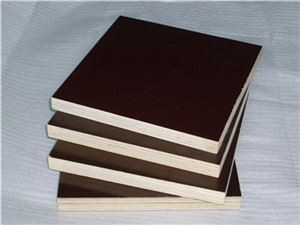
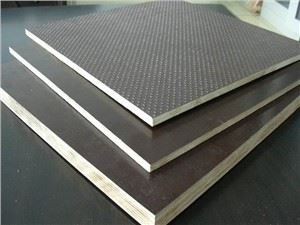
The film-covered plywood is made of pine and poplar, with a thickness of 13mm-18mm. Close to Add to Inquiry -
Phenolic Faced Plywood
Phenolic plywood, as the name suggests, is a board formed by using a phenolic glue surface and two Add to Inquiry -
Pressure Treated Plywood
High-grade marine plywood is made of high-strength spun veneer. The front and back panels are Add to Inquiry -
Marine Plywood Boat Decking
After years of development, brand competition in the furniture industry has become increasingly Add to Inquiry -
A Grade Marine Plywood
Marine plywood, also called ocean board, is a high-quality outdoor plywood.. The marine plywood Add to Inquiry -
Marine Ply Sheets Bunnings
Marine plywood is a high-strength, seawater-resistant laminate made of phenolic resin as an Add to Inquiry -
PVC Coated Plywood
PVC coated plywood has excellent physical properties, wear resistance, crack resistance, moisture Add to Inquiry -
Fancy Plywood
Plywood is a solid thin wood board consisting of two or more layers, which are alternately glued Add to Inquiry -
Underlayment Plywood
underlayment plywood is one of the commonly used materials for furniture. It is a kind of man-made Add to Inquiry -
12mm Commercial Plywood
Plywood, also known as plywood, is commonly known as thin core board in the industry. It is made of Add to Inquiry





Why Choose Us
Our Factory
Our company mainly carries on the series deep processing to many kinds of boards, and independently develops the aluminum faced mdf board with backing. This kind of board is waterproof, fireproof and formaldehyde free, which is the first choice for high-end home decoration. Now this kind of plate is very popular in the middle east countries.
Our Services
We can customize products according to the specific requirements of customers and track the problems that may arise during the production process. Deal with the problems of customers in a timely manner and solve them in the use of customers.
Global Shipping
Our products support global shipping and the logistics system is complete, so our customers are all over the world.
After-sale Service
Professional and thoughtful after -sales team, let you worry about us after -sales intimate service, strong after -sales team support.
Types of Plywood
Veneer Core Plywood
Is the basic plywood with layers of wood bonded together. It's very strong.
MDF Core
Is comprised of layers of wood ply sandwiching a core of mdf, or multi-density fiber. It's very stable with a more consistent thickness than veneer core plywood and is often used for doors.
Lumber Core Plywood
Is comprised of lumber sandwiched between veneer layers. It's often used for long shelves.
Appleply
Is a brand name for a high-end type of veneer core plywood with many hardwood plies that is used for drawers and furniture where the edges are visible and sometimes become design elements in and of themselves. The face can be made of various types of hardwood, though it's often maple.
Exterior Sheathing Plywood
Is often used for lateral bracing on building exteriors and is rated CDX. The ‘c' is the rating on the face, the ‘d' is the rating on the back, and ‘x' is for exposure, which means it's meant for outside use when covered with siding, for example. It has exterior rated glue.
Subfloor Plywood
Is waterproof, and usually of greater thickness (¾ inch to 1 1/8 inch). It should be tongue and groove (indicated by t&g on the sheet) for a squeak-free floor.
The Physical Appearance of Plywood
01/
Grade A
The face and back of the sheet is nearly free of defects, with a smooth, sanded surface and virtually no knots. Good for cabinet doors and furniture, the surface is meant to be seen (not covered with another material) and can be painted or stained.
02/
Grade C
Unsanded, with tight knots up to 1 inches wide. There may be large areas that have been patched and filled. Good for subflooring or other applications where it will not be seen.
03/
Grade B
Sanded smooth, but the face and back have a few defects, some of which have been repaired with patches or wood filler. Less costly than Grade A.
04/
Grade D
Unsanded, with knot holes up to 2 inches wide and liberal use of patches and filler and some unrepaired defects. Like Grade C, good for structural uses where it will not be seen.
Application of Plywood
Exterior Wall Sheathing
A common wall structure for new homes, especially in North America, consists of a 2ft x 4ft or 2ft x 6ft frame with an exterior grade plywood sheath. Plywood is used to hold each stud together to increase strength and prevent vertical or horizontal movement, keeping the frame structure intact and square. Due to its flexible properties, the structures formed by this technique perform well during strong winds and earthquakes.
Interior Walls
Some types of plywood are ideal for wood paneling or framing interior column walls. In most cases, plywood is not visible in the final finish, however, some highly finished Grade A plywood is ideal for facing inwards and can be painted or dyed to give a stunning natural wood finish.
Roofs And Floors
Plywood is often used to cover roofs and serve as a subfloor for many interior flooring projects. On flooring, plywood may include tongue-and-groove edges that are grooved together so that they can carry the required load without displacement or movement, while on the roof, they can act as a very durable and suitable skin before tiles, metal, or film are laid. Plywood is ideal for both applications.
Other Construction
It is not uncommon to find eaves and soffits covered with plywood or made entirely of plywood. Some plywood is used exclusively as a siding product and looks similar to reverse panels and slatted siding. Building contractors also commonly use plywood to construct freestanding buildings. Garages and sheds for temporary flooring and concrete formwork.
Furniture
Plywood is a very practical and cost-effective material for architectural furniture. In cases where aesthetics are required on one side, high-grade plywood can be used, while for the rest of the structure, a lower-grade finish can be used. Plywood is suitable for almost any furniture project that can reasonably be imagined, so it's not uncommon for it to be used in custom dressers, wardrobes, built-in media centers, bookshelves, bookcases, sideways tables...... In fact, the list is almost endless!
Cabinets
Plywood is great for making cabinet frames for kitchens, bedrooms, etc. In most cases, high-quality plywood is ideal for use on the back and sides of cabinets and is a much superior material over traditional particleboard or MDF because it lasts longer, does not split, and is more durable.
General Items
Due to its versatility, plywood is perfect for many other home projects, from building skateboard ramps, rabbit cages, to dog houses. Home DIY enthusiasts love plywood because it's great for building useful items, including workbenches, sawmills, simple step stools, and storage bins.
Material of Plywood
The main tree species used for plywood are southern pine (torch pine, longleaf pine, breviphylla pine, and marsh pine) and Douglas fir. Trees used for plywood typically grow larger and longer before harvesting because the veneer used for plywood is rotary cut from logs, and larger logs are more economical to process. Rotary cutting is the process of placing a log in the center between the jaws of a lathe and then rotating the log against a long blade. Veneers are carved out of logs, a bit like the way a paper towel is cut from a roll. The veneer is then dried, glued, and pressed into standard plywood.
How to Maintain Plywood
Protects plywood from the elements
Plywood is a strong material, but it is still susceptible to damage from the natural elements. Exposure to excessive moisture, temperature fluctuations, and direct sunlight can all negatively affect the longevity of plywood.
Waterproof plywood
Waterproofing is an excellent way to protect your plywood from moisture damage. There are various waterproof sealants and coatings available in the market that can protect plywood from water.
Maintain plywood in wet conditions
If your plywood is in a humid environment, it's crucial to ensure proper ventilation to prevent moisture build-up. Using a dehumidifier or fan can help your plywood maintain an optimal environment.
Repair plywood damage
Despite your best efforts, your plywood may still suffer some damage over time. However, the most common plywood problems can be fixed with the right tools and techniques.
Address scratches and dents
Minor scratches and dents can often be repaired with wood filler or putty and then sanded for a smooth surface. Larger dents may require more extensive repairs, such as patching up with a new finish.
Handle warped plywood
Warped plywood can be a challenge to repair. If the deformation is small, it may correct itself over time, with proper storage. For more severe warping, it's best to consult a professional or consider replacing the plywood.
Process of Plywood
Harvesting and selecting the birch wood
The birch trees are harvested and the logs are carefully selected for their quality and suitability for plywood production.
Peeling the logs
The birch logs are stripped of their bark and then peeled into thin, continuous sheets of wood called veneers.
Drying the veneers
The veneers are then dried to remove any excess moisture and to ensure that they are stable and uniform in thickness.
Sorting and grading the veneers
The dried veneers are sorted and graded according to their thickness, grain pattern, and quality.
Gluing the veneers
The veneers are then glued together with high-quality adhesive, such as phenol formaldehyde, under high pressure and temperature to form a strong, durable plywood panel.
Pressing and finishing the plywood
The glued veneers are then pressed together and sanded to achieve a smooth, even surface. Birch plywood can be left unfinished or it can be finished with a variety of coatings, such as paint or varnish, to enhance its appearance and protect it from moisture and other environmental factors.

How to Choose a Plywood
Determine the quality of the plywood
In terms of quality, plywood can vary greatly. A fundamental aspect of determining this quality is to check for defects.
Check for defects
To ensure the quality of plywood, it is essential to check for defects such as warpage, tears, or knots. Smooth and flat boards with no visible defects are a good sign of high-quality plywood.
Learn about plywood grades
Plywood is graded according to the quality of the veneer on its surface. Grades range from a (smooth and paintable) to d (nodules and tears allowed). Knowing these grades can help you choose the right plywood for your project.
Plywood thickness and size
Plywood is not a one-size-fits-all product. In fact, choosing the right size is critical to the success of your project.
Choose the right size
The size of the plywood varies depending on the application. For example, structural applications often require thicker panels for added strength, while decorative applications may use thinner, lighter panels. Choosing the right thickness and size for your project is essential to ensure the best results.
How to Install The Plywood
Choose the right plywood type
Start by selecting the appropriate plywood grade and thickness for your specific project. Whether it is exterior sheathing, subflooring, or decorative panelling, the right type is essential for optimal performance. Using the wrong type can lead to structural weaknesses and potential safety hazards.
Be careful with thin plywood
Pay meticulous attention when working with thin plywood sheets which can bend. It is a more flexible plywood type compared to thicker plywood and is more prone to warping or sagging. During installation, consider adding a backer board for extra support and avoid overloading.
Prepare the surface
Ensure the installation surface is clean, level, and free of debris. Properly addressing any underlying issues, such as moisture or unevenness, is crucial to prevent future problems. Neglecting these issues can result in warping, rotting and compromised stability.
Acclimatise the plywood
Be sure to acclimate plywood panels to interior conditions before you start the installation process. This will prevent expansion or contraction issues. You should allow the plywood to sit in the project room for 1-2 days.
Secure properly
Use the right screw or nail fasteners spaced at recommended intervals to secure the plywood. Overdriven or underdriven fasteners can compromise the structural integrity of the installation.
Mind the gaps
Leave a small gap between each plywood sheet to allow for natural expansion due to temperature and humidity changes. Failing to leave small gaps can lead to buckling and swelling. Be sure to refer to manufacturer guidelines for specific gap recommendations.
Stagger the joints
To enhance stability and distribute loads evenly, stagger the joints between adjacent plywood sheets. As a result, this prevents weak spots in the installation. Not staggering joints correctly can decrease the overall structural integrity.
Seal edges
Be sure to apply wood sealer or edge banding to seal any exposed edges of plywood. This helps protect against moisture infiltration, which can cause swelling. Also, your plywood installation could be at risk of rot and warping.
Consider adhesive
In addition to fasteners, consider using construction adhesive to bond the plywood to the substrate, providing extra strength and minimising squeaks.
Test for flatness
Make sure you use a straight edge or level to ensure the installed plywood is flat and even. You should make any necessary adjustments before proceeding with subsequent layers or finishes.
Finish appropriately
Whether you are working on a door or subfloor, finish it using paint, stain solution, or a suitable sealant. This will help to enhance its appearance and protect the plywood texture from tough environmental factors.
Prepare for tiling
Before using tiles on plywood, ensure a stable and moisture-resistant base by applying a high-quality primer and a waterproofing membrane. This crucial step helps prevent potential tile adhesion issues and ensures a long-lasting, attractive tile installation.
Our Factroy
Shouguang Roc Industry Co.,Ltd is a specialized manufacturer of such wooden products as Melamine mdf/particleboard, Aluminium faced mdf, UV board, Plywood, Film faced plywood and Blockboard.
Founded in 2000, we have about 280 staff with a registered capital of USD2.000.000 and annual turnover worth USD3,800,000. Our company enjoys independent trade rights and has a wealth of experience in international trade.

FAQ
We're professional plywood manufacturers and suppliers in China, specialized in providing high quality products made in China. If you're going to wholesale cheap plywood in stock, welcome to get free sample from our factory.
Wooden Furniture, Standard Thick Mdf, Panel Furniture Production Line